You bought a new skin hair system, stored it carefully, and months later, it turned yellow. Naturally, the first reaction is usually confusion. You did not even wear it, so is it a quality issue?
However, in most cases, yellowing during storage is not a defect. It is a natural result of material oxidation and gradual aging over time, especially for polyurethane skin bases. These materials are sensitive to air, light, and environmental conditions, when they are not being used.
In this guide, you will learn exactly why this happens, how long you can safely store a skin system, and what you can do to prevent premature yellowing in the future.
Why Does a Skin Hair System Turn Yellow in Storage?
When a skin hair system sits in storage for a while, it’s pretty common to notice a slight yellow tint over time, even if it has never been worn.
This is not unusual, and it mainly comes down to how polyurethane naturally reacts to its environment over time.
Several factors can accelerate this process:
- Oxidation: Exposure to oxygen causes chemical changes in the PU material, resulting in yellowing.
- UV exposure: Even indirect sunlight can speed up discoloration over time.
- Heat and humidity: Higher temperatures and moisture levels can accelerate material aging.
- Packaging materials: Certain plastics or adhesives used in storage may also contribute to slight color changes.
It’s important to note that this yellowing typically affects appearance only, not the structural integrity or performance of the hair system.
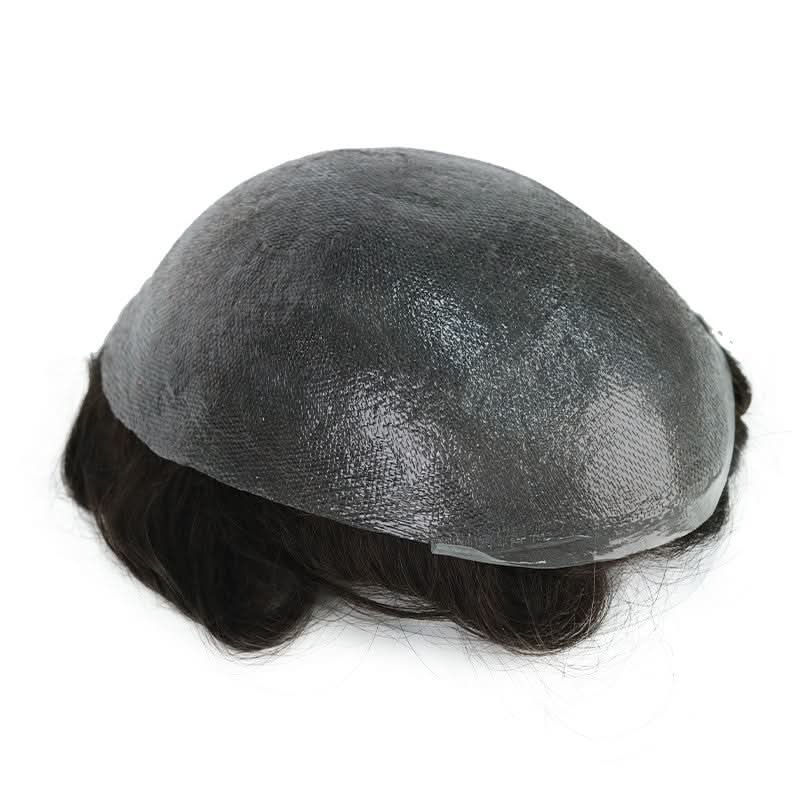
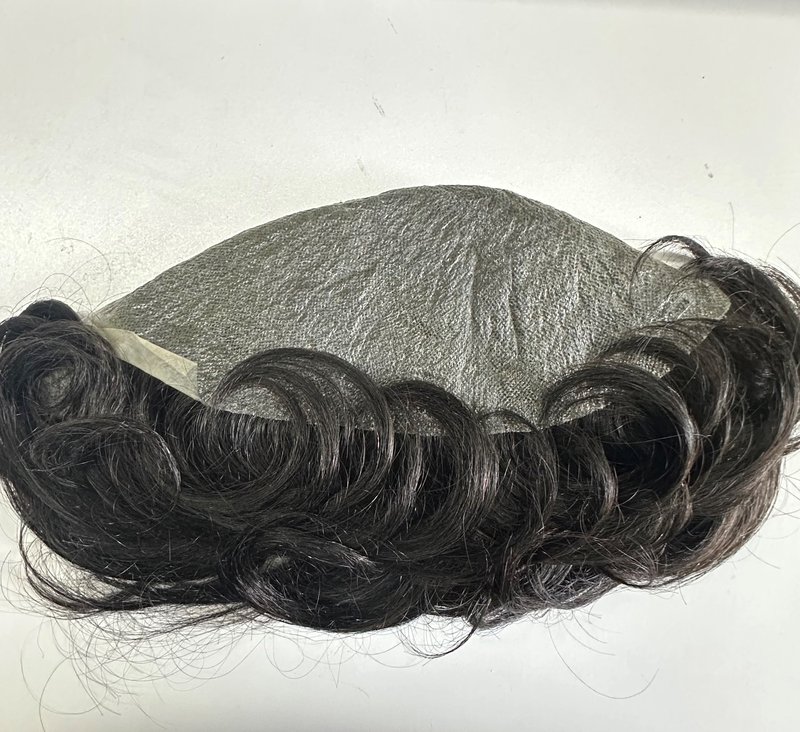
Below is a comparison showing the system before and after storage, illustrating how the color can gradually shift over time.
Is a Yellowed Skin Hair System Still Usable?
When a skin hair system turns yellow, many users immediately assume it is no longer usable. However, usability depends on the level of yellowing and the overall condition of the base material.
Slight yellowing is usually just a cosmetic change, and the system is often still flexible and fully usable if the base structure remains intact.
More visible yellowing often means the material has started to degrade, which can make the base less flexible and more prone to tearing during use or removal.
Yellowing is often an early sign of material aging, not just a surface color change.
How Long Can You Store a Skin Hair System?
Proper storage time is an important factor in maintaining the quality of a skin hair system. Even when stored correctly, the material will gradually change over time.
Recommended storage timeline:
- 0-3 months: Ideal condition
The system is typically at its best quality with minimal changes. - 3-6 months: Acceptable condition
Minor aging may begin, but the system is generally still usable. - 6+ months: Increased risk period
The likelihood of visible yellowing and material degradation increases significantly.
Skin hair systems are more sensitive to storage time compared to lace systems.
Because of this, long-term storage is generally not recommended. Many users find that using systems within a shorter time frame results in better appearance, flexibility, and overall performance.
From a practical perspective, storage habits are only part of the equation. The consistency of the system itself also plays an important role in how it ages over time.
In addition to storage conditions, the consistency of material quality also plays a role in how a system ages over time. Some users prefer more consistent results by choosing established suppliers such as Lavivid Hair, which is known for more stable quality control across production batches.
How to Store a Skin Hair System Properly
Proper storage actually matters a lot. Even if you are not wearing the system, bad storage can speed up oxidation and cause early yellowing or weaker material.
1. Store in a Cool, Dry Environment
Temperature and humidity really affect the stability of polyurethane materials. A cool and dry environment helps slow down natural aging and reduces the risk of discoloration. Try to avoid places with high humidity or unstable temperatures, like bathrooms or cars.
2. Avoid Direct Sunlight and UV Exposure
Ultraviolet light can gradually break down the structure of the skin base materials. Even indirect sunlight or strong indoor lighting, over time, can lead to discoloration. It’s always better to store the system in a shaded and protected place.
3. Keep It Sealed (Original Packaging Preferred)
Keeping the system properly sealed is one of the easiest ways to slow down oxidation. A sealed environment reduces air exposure and helps maintain the original color and flexibility of the base. If possible, keep it in the original packaging until you are ready to use it.
4. Keep Away from Heat Sources
Heat can speed up the aging process of polyurethane materials. Avoid placing the system near radiators, electronics, or any area with consistent heat. A stable, moderate environment is always better for long-term storage.
5. Avoid Long-Term Storage (Most Important)
Even under good conditions, extended storage time will still affect the quality of the system.
For best results, it’s better to only buy what you are likely to use within a few months. Fresher systems usually look better, feel more flexible, and perform more naturally compared to long-stored ones.
Even with perfect storage, it is important to understand that storage only preserves condition before use. Once the system is worn, proper maintenance becomes the key factor in extending its lifespan and keeping it looking natural over time.
If you want to learn how to properly care for your system after use, including cleaning, reattachment, and daily maintenance routines, our guide on How to Care and Maintain Your Men’s Hair Replacement System explains everything step by step.
Final Thoughts
If your skin hair system turns yellow while it’s just sitting in storage, that’s actually pretty normal. It doesn’t mean the product is bad.
Even when you’re not wearing it, things like oxidation, time, and the storage environment can still affect the material.
The best way to keep it in good condition is to store it properly and avoid keeping it unused for too long.